Parenting + Family

For several years when I was a kid, my parents hosted big New Years’ Eve parties. They weren’t fancy or elaborate, but they were full of people. All of our friends and their families were invited, a mix of adults, teenagers, and younger kids in one house. About 9pm, people descended on our home to laugh, play games, drink root beer floats, eat snacks, and count down to the new year.

I used to stay up until the early morning hours when my family got together for holidays. The night before Thanksgiving, a few of us would prepare stuffing and turkey for the next day while others chatted around the table in the eat-in kitchen. Late on Christmas nights, we’d sip leftover eggnog and eat the final few slices of Swedish Tea Ring while we laughed, cried, and told all the same stories we’ve been telling for years.

“Boys will be boys.”
They use the phrase as a lazy defense
of chaos,
of tempers,
of misogyny,
of cruelty.
As if boys don’t have the ability to control themselves,
as if that’s all we expect.

My husband and I raced to the emergency room with our then two-year-old, my face covered in tears and my entire body shaking. Our son had just taken a horrible fall. He was responsive and seemed okay, but I was not. I thought there had to only be bad news to come.
The incident happened at the height of the pandemic, so only one parent was allowed to accompany him into the hospital room. While I wanted to be with our boy, I knew my own hysterics probably wouldn’t help anyone–especially him. I opted to wait in the car, my always-calm husband assuring me he’d text with updates as often as possible.

A couple weeks ago, I sat around a lunch table at a conference talking to new friends. In between bites of sandwiches and sips of coffee I lamented, “I feel like in every part of my life–parenting, work, health, faith–I’m running the hurdles. And I know eventually I’ll get to the finish line. But I am tripping over every single hurdle in the process.”
I try to carve out time to work on an essay. Then one of my kids gets sick and has to stay home from school, so I have to pivot.

She was talking about the writing life, but I think Anne Lamott’s words in Bird by Bird are true for all of life. She wrote, “You can’t fill up when you’re holding your breath.”
Are you holding your breath right now? I mean proverbially, yes, but even physically?
So many of us are holding our breath, afraid of letting go because we’re not sure we can handle the tears or anger or overwhelm attempting to pour out from our bodies. We hold our breath because we’re bracing for what’s next, waiting for the other shoe to drop. We hold our breath because, ironically, sometimes keeping it all inside feels like the only way to make it through another day.
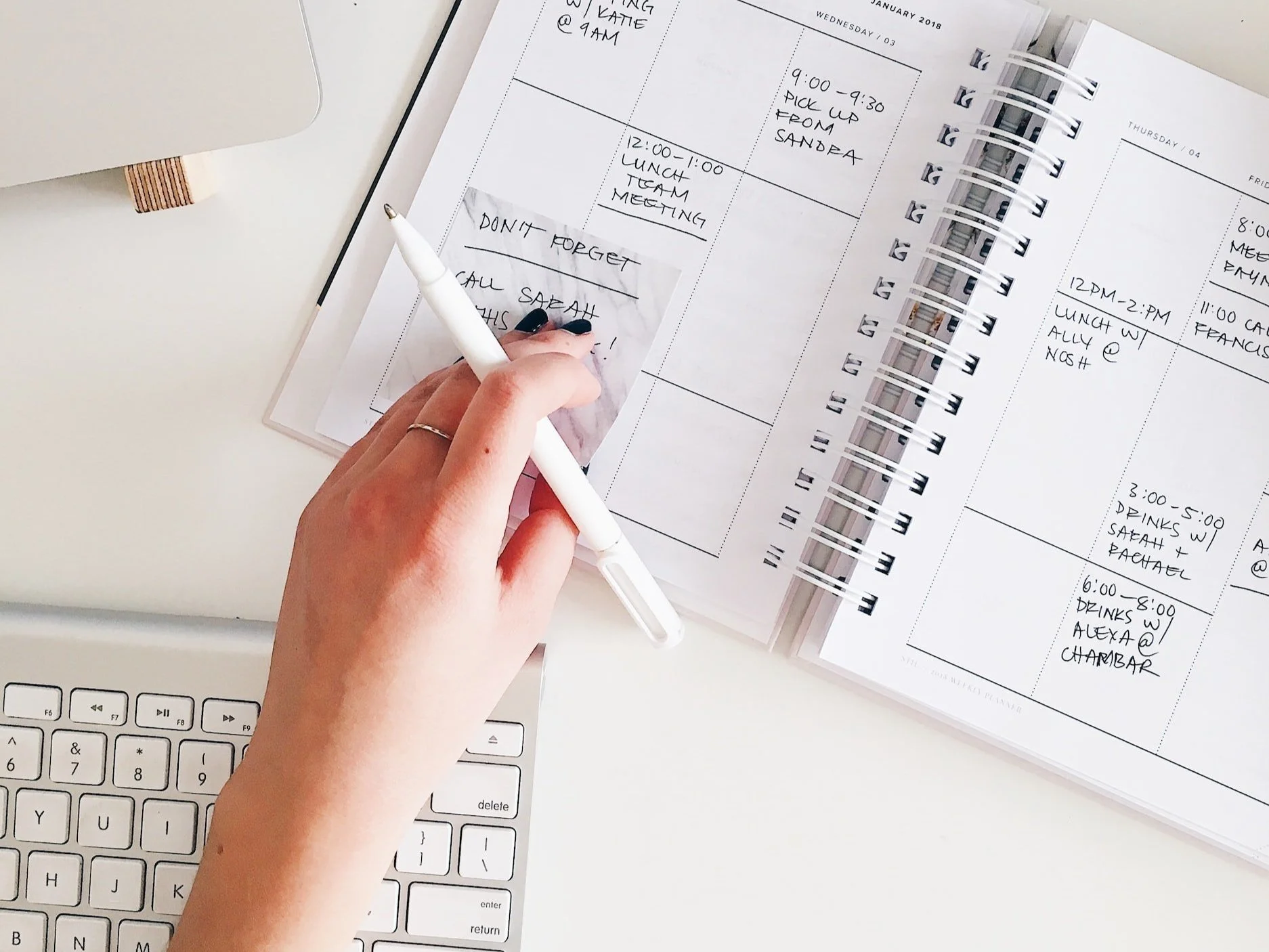
My phone alarm chimes loudly on the nightstand next to me, and I fumble in the darkness to turn it off. I sit up in bed, rubbing my eyes and then glance at the time. I only have about 20 minutes before the kids wake up. They’ll plod down the steps like zombies, still half asleep but awake enough to remind me they need breakfast. Twenty minutes, I coach myself. Twenty minutes to get something done. I do my own zombie-esque walk to the kitchen, pour my mug of coffee, and curse the fact that I’ve been trying to cut back on caffeine. This cup of half caffeinated coffee isn’t going to cut it today.
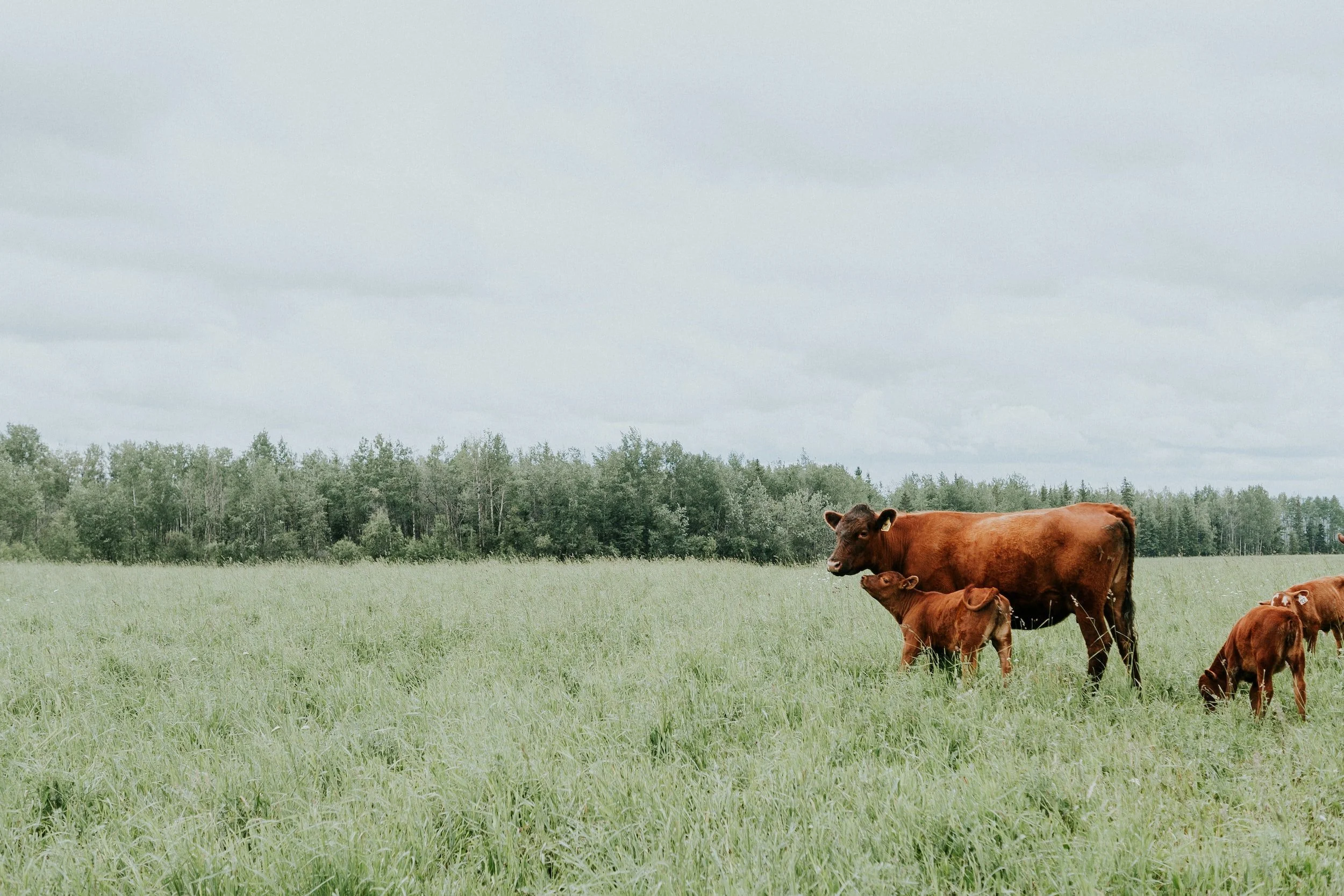
I read recently about how thousands of cattle in Kansas died due to heat stress. They didn’t die from one day of hot temperatures, necessarily. But the persistent extreme heat and humidity that hit many parts of the country–particularly this one region in Kansas–wreaked havoc on herds.
Cattle can usually adapt to the summer heat. Studies show they’re resilient animals, but as one article told me, when there are multiple stressors involved, the animal struggles to cope. Not only that, but cattle need the lower nighttime temperatures to bring their internal temperature down. When nighttime temps are too high, they don’t release enough of their internal heat, and it continues to build and build and build, causing major problems when that cycle persists. Eventually, they can’t carry the cumulative heat load built up in their bodies. “Right now, if we don’t have night-time cooling hours, the animal won’t be starting each day at thermo-neutral, so they’re more at risk on the second or third day,” one veterinarian said.
Okay, let’s acknowledge the elephant (cow?) in the room. Yes, I’m about to compare us to cattle. My metaphor obviously breaks down pretty quickly, but bear with me…

In The 12 Week Year, a business and productivity book, the authors write, “If you are not in control of your time, then you are not in control of your results.”
I agree to an extent, and before I say anything else, I’ll say this book and productivity concept has been very helpful for me. But the authors clearly are not talking to moms. Because this is one of the greatest frustrations I’ve had in my 7.5 years of motherhood: I am not (entirely) in control of my time.
Sure, there is a great deal I am in control of. I can control how I use naptime. I can control the activities my kids engage in. I can control our calendar and our schedule and what I write down on our to-do list.
![Morning Mercies [and a recipe for Caprese Baked Egg Cups]](https://images.squarespace-cdn.com/content/v1/636bd35f16211e75437e4d8e/1668010974727-R9J0EGZQ2S34VR029QFT/Caprese+Baked+Egg+Cups-13.jpg)
The baby slept through the night, something my other three kids never did at this age. Maybe it won’t last; maybe it will. But I’m thankful all the same, thankful to wake up to a sweet boy who hardly cried for food but greeted me with a smile and a coo instead.
There’s a candle lit next to me, the warm light flickering as I write. It smells like vanilla and soft blankets, the latter I realize is not a smell. But it’s cozy, comforting, even restful in a way.
![They Said It Would Go Fast [on twins, growing up, and letting go]](https://images.squarespace-cdn.com/content/v1/636bd35f16211e75437e4d8e/1668011108907-L22VDW8EQ58UGQG0CKLT/IMG_8210.jpg)
I can tell they’re nervous. My son, Elijah, says as much, and my daughter, Isabel, sits quietly in the car. She’s almost never quiet, her silence a sure sign of apprehension. We pull into the parking lot and climb out of the minivan, my twins donning new backpacks, lunchboxes and masks. As we walk down the sidewalk, their nervousness spills over with a few tears and a thousand questions.
What if we don’t know where to go?
When do we eat lunch?
Where will you pick us up?
What if we forget something?
![A Surprising Grace [and a Cider-Ginger Mocktail Recipe]](https://images.squarespace-cdn.com/content/v1/636bd35f16211e75437e4d8e/1668011123764-183WK1TM9R5ZRPYAXWXV/Cider-Ginger+Mocktail-8.jpg)
“I’m pregnant,” I tell my husband, matter-of-factly. By the fourth kid, the announcements get a little less creative and a little more impromptu. We stand in the middle of the kitchen, dirty dishes piled high in the sink and a stack of unopened mail next to us. I can see him start to lean on the corner of the counter, trying to gain his composure.
His eyes grow wide. “No… you’re not. Seriously?”
We’re planners and preparers, prone to meticulously calculate my cycle and predict when pregnancy can and cannot happen. This one takes us both by surprise.
I show him the positive pregnancy test, revealing those two pink lines like a confession. I always wanted one more; he was content with three. I’m unsure how to interpret his stunned silence.
“Are you mad?” I ask, trying not to cry.
![A Little Bit Brave [an essay about pain, courage, and learning from our kids]](https://images.squarespace-cdn.com/content/v1/636bd35f16211e75437e4d8e/1668011152557-QPE5ENNES877EJOBAMLB/unsplash-image-_GpJpHnyCSw.jpg)
“I just need to lay down for a few minutes,” I tell my husband, Colson, as soon as he walks in the door from work. It’s been a day, and I can feel the exhaustion in every muscle. The head cold making its way through our home seems to have camped out with me longer than everyone else. I also feel like I’ve been on the verge of throwing up pretty much all day long.
I collapse into bed, basking in the quietness of my room. Not three minutes later, I hear screaming.
You know the kind—it’s more than a tantrum and more than a bump or bruise. I should probably go see what’s going on.
I throw off my comforter and stomp down the stairs, a bit too annoyed at the audacity of my child to interrupt my precious alone time with her yelling.
“What’s going on?” I ask Colson, with more than a hint of frustration.
“Izzy fell. I think it’s bad.”

One of my goals this past year was to have more fun.
I am pragmatic to a fault, so I confess, I had to put “fun” on my to-do list. As I write, I can see the notecard taped above my desk with my goals—fun written near the top in pink permanent marker.
Maybe you can guess how well that goal is going. I think I can safely assume 2020 went nothing like anyone planned and 2021 hasn’t been much easier. Maybe fun has been hard to come by. Even if this season has brought sweet moments at home or unexpected gifts, maybe you’re still feeling pressed down by a thousand tiny weights. Or maybe it’s one big boulder you’re carrying. Whatever the case, whether you’re anxious about this fall’s school situation, grieving injustice, fearful about the future, discouraged, or just plain tired, I want to remind us of something.
You are still allowed to have fun.

How we cook and eat is one of the most beautiful ways to express ourselves, our family traditions, and our cultures, and there’s an intimacy that develops when we eat with others.
Phil Rosenthal, creator of Everybody Loves Raymond and star of Somebody Feed Phil said, “You know you sit down and you eat with people you just met, and by the time you’re done eating, you’re a little bit closer. That’s the idea, right?”
I think that’s so true–and so powerful. Eating together can be a catalyst for understanding, community building, and even healing.
It’s been hard over the last year to eat with others the way we used to in the pre-pandemic days, but there are still ways to savor and celebrate the beauty of food and each other. My kids and I have been reading a variety of children’s books all about food, family, and culture, and it’s opened their eyes–and my own–to a culinary world much bigger than our own kitchen table.
![I Don't Even Want a Houseplant [and other motherhood confessions]](https://images.squarespace-cdn.com/content/v1/636bd35f16211e75437e4d8e/1668011220611-ALAEBIJBFMXANZ4O37H4/8059RLgadd012607-R2-047-2.jpg)
I’ve never been great at keeping plants alive. Every year, I eagerly purchase tomatoes and cucumbers, lettuce and green beans. I block off time on a weekend to put them in the ground, optimistic this will be the year I finally make salads and sauces, sides and stews with what I grew in my own backyard. Last year, the tomatoes withered by July and a rabbit ate the entire lettuce plant within 24 hours. We got a few green beans and a cucumber—a successful crop, I suppose, if you compare it to previous summers. But there are only so many side dishes you can make when you harvest two or three green beans at a time.
![A Thousand Little Ways [a love letter to my husband]](https://images.squarespace-cdn.com/content/v1/636bd35f16211e75437e4d8e/1668011224390-FVHTL65E5QKE7ERNCFBR/Image%2B%2820%29.jpg)
Almost every morning, he brings me coffee.
He sets the cup on my nightstand, and I grunt and roll over. I’ve never been one to start my day jumping out of bed with a smile. A few minutes later he squeezes my shoulder before walking downstairs, offering a gentle reminder that my beloved drink is getting cold.
Even on the rare day when I wake up before everyone else, I know the coffee will be ready. The night before, he sets the pot to brew first thing in the morning. He puts my favorite mug next to it—the oversized one that will hold enough caffeine to keep me fueled for at least a few hours.

At my childhood home, we had a massive oak tree that towered over almost the entire yard. It housed squirrels and birds, provided shade as we played in the grass, and supported a tire swing we enjoyed for hours on end.
But I never noticed the tiny movements that made its branches stretch over the lawn or its roots dig deep into the earth. I never saw it grow, yet somehow that tree changed from a seed to a towering oak.
Apparently tiny movements add up.

I have never felt so horrible as a parent.
We finished lunch, and I put a movie on my for twins in the basement while I gave my two-year-old a bath. He seemed to wear summer all over his body. As I wiped off the jelly, dirt, and sweat from my little boy, I heard a knock at the door. I thought it was Amazon or maybe a door-to-door salesperson, so I didn’t answer.
Another knock.
I stood up from kneeling in front of the bathtub and glanced out the window. A woman was heading back to her car, and then I quickly realized she was just going to grab something and come back. I checked on my son in the tub, then ran downstairs to open the door.
“Hello?” I called after her. “Can I help you?”
“I’m just going to grab my ID.”
Huh? I scrolled through my memories, trying to place this woman. Did I know her? Was I supposed to know what she was there for? Did I have an appointment I forgot about?
I stood at the door, confused. She walked right into my house, as if she had a right to be there.
“DCFS,” she said. I don’t even remember what she said next. Everything in my mind got fuzzy, and all I could think to say was, “Umm, I’ve got a kid in the tub. Can you give me a minute?”
![They Call Me Mom [and a recipe for a Brown Sugar + Vanilla Iced Latte]](https://images.squarespace-cdn.com/content/v1/636bd35f16211e75437e4d8e/1668011468006-JL87WDQFTT10RKULLNRG/Brown+Sugar+%2B+Vanilla+Iced+Latte+%7C+Sarah+J.+Hauser-13.jpg)
I sit in my office upstairs as my youngest rolls trucks around his room and presses buttons on an electronic book. He’s dropped his nap over a year earlier than my other two kids. I’m not ready. So just like with his older siblings, I tell him he doesn’t have to sleep, but we’re going to have quiet time. He needs to rest. I also explain that it’s Mommy’s quiet time, too. I’m not shy about this.
I settle into my chair, a blanket pulled over my lap, coffee at the ready, and a book in hand. His calls begin.
![Rethinking Our Mealtime Prayers [recognizing dependence, avoiding forgetfulness, and practicing gratitude for our food]](https://images.squarespace-cdn.com/content/v1/636bd35f16211e75437e4d8e/1668011534953-KMXFTAJ0GDROG1SCP0US/image-asset.jpeg)
Growing up in a Christian home, we prayed regularly before meals. Sometimes the practice felt more meaningful, like before a Thanksgiving feast or on Easter Sunday as we focused on all we had been given. Other times, the mealtime prayer has been one I’ve struggled to utter: I didn’t really want to thank God for breakfast the morning my mom died. But most days, prayer before meals dwindles to a quick sentence said in a rush, one that grants permission to finally eat.
For many of us, saying grace can easily become trite and meaningless. But prayer before our meals is not just “something we do” as Christians. Instead, it’s a way to acknowledge our need and God’s provision—provision for our daily bread and provision as the Bread of Life.
![In This Together [And An Invitation to the Coffee + Crumbs Brunch]](https://images.squarespace-cdn.com/content/v1/636bd35f16211e75437e4d8e/1668011737876-WXJMRO1B4EY0LEC0YMS9/C%2BC%2BBrunch%2B2020-19.jpg)
I walked into the restaurant, my pregnant belly arriving minutes before the rest of me. “Multiples group?” I asked the hostess. She led me toward the corner where a few tables were pushed together and about ten moms sat around chatting.
It was my first time meeting most of the women there. I had just joined the group shortly after finding out I had two little ones on the way. A few other twin mamas I knew suggested getting plugged into a moms of multiples group, and, to be honest, I was skeptical. I had a strong community around me, family who lived nearby, and plenty of other mom friends. But I agreed to check it out.

We were homebound with sickness, quarantined from pretty much everyone except our pediatrician. The kids had double ear infections, and I had the flu—or some other demon virus intent on making us all miserable. I was also five months pregnant, but I looked and felt like a full-term mama whale. And aren’t whales pregnant for like a year?
Did I mention it was the twins’ second birthday? The day almost passed us by, if not for the family and friends who wished them a happy birthday from a distance. We traded forkfuls of cake for syringes filled with medicine, and I never got around to getting their gifts. They’re only two, I reminded myself. They won’t remember.
They won’t remember we canceled their party and saved the tiger-striped plates and zebra-print napkins for next year. They probably wouldn’t have noticed the adorable zoo-themed party decor I ordered, anyway. The flour, sugar, and butter sat unused. I hope they won’t remember the unfulfilled promise of cake, because the only meals consumed involved dry crackers and chicken soup.

My husband took a day off of work this week. The morning began as normal, but by 8 a.m. it spiraled into kids crying and me taking a timeout behind my locked door. I needed help, space, an extra set of hands, and someone with the dose of patience I lacked.
As I watched him take the kids to the park, make their lunch, and put our two-year-old down for a nap, I felt guilty that I didn’t contribute and guilty that he carried the load of two parents. Rather than being grateful for my husband and his flexible job, I resented needing the help.
![Picking Up The Pieces [an essay on Coffee + Crumbs about grieving loss and finding joy]](https://images.squarespace-cdn.com/content/v1/636bd35f16211e75437e4d8e/1668012298405-ROBH116S5HR541IEXZOT/Picking%2BUp%2BThe%2BPieces%2B%5Ban%2Bessay%2Bon%2BCoffee%2B%2B%2BCrumbs%2Babout%2Bgrieving%2Bloss%2Band%2Bfinding%2Bjoy%5D.jpg)
In this essay at Coffee + Crumbs, I share my story about grieving the loss of my mom and finding unexpected joy.


I have never been more tired than I’ve been since becoming a mom. Nighttime feedings in the infant years, the endless needs of the toddler years, and the looming anxieties coming in the big-kid years can often keep me awake at night and anxious during the day. Trying to meet the needs of everyone in my house, much less myself, is no small feat.
It’s easy to feel like I’m running on a hamster wheel, wearing myself out while little progress is made.
Yet I’m realizing so much of my exhaustion isn’t surface-level. It’s not always just a matter of needing more sleep, although that wouldn’t hurt. It’s much more than that, deeper than that.